Welcome to Shebara Hotel, part of the groundbreaking Red Sea Project, is redefining luxury travel — transforming the Red Sea into the world’s premier tourist destination with unmatched beauty, sustainability, and world-class experiences.
Binge the World, One Journey at a Time
Welcome to Shebara Hotel, part of the groundbreaking Red Sea Project, is redefining luxury travel — transforming the Red Sea into the world’s premier tourist destination with unmatched beauty, sustainability, and world-class experiences.
It’s a lovely thought experiment, isn’t it? To imagine holding a million dollars in your hands—not for yourself, but to give away. The moment I read this prompt, I felt a mixture of excitement and responsibility. A million dollars is a life-changing sum, and the real question is: whose life should it change?
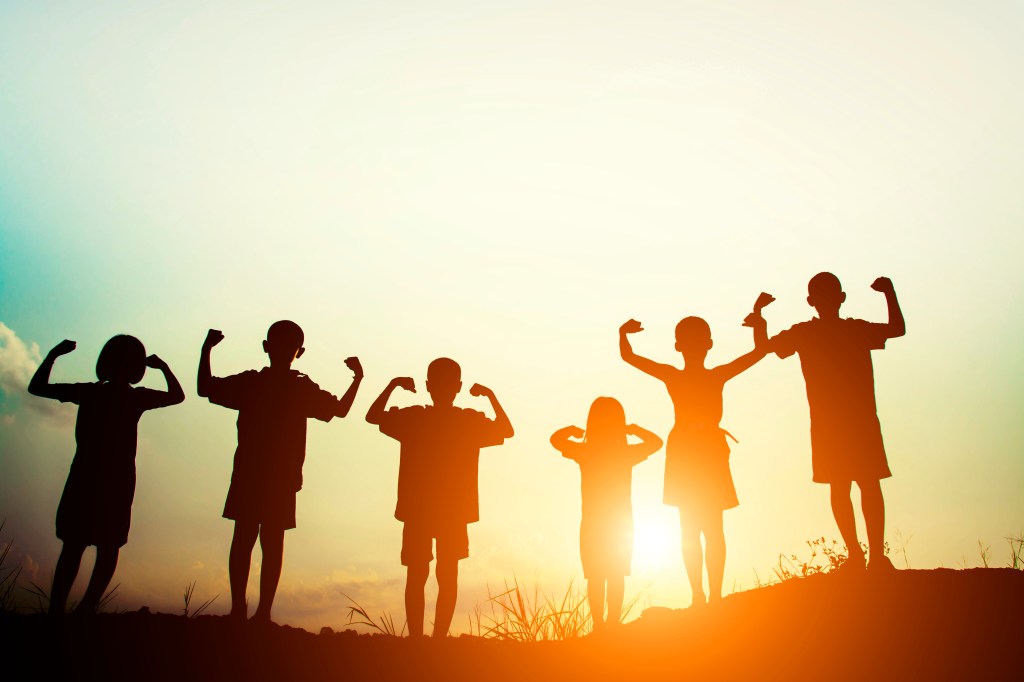
If I had that money to give away, I would want to invest it where it can ripple outwards, touching not just one life but many. My first instinct goes to children. Education and healthcare are two things that should never be a privilege, but sadly, they often are. A child with access to good education and proper healthcare has the foundation for a better future—not just for themselves, but for their family, community, and generations to come.
But beyond the big picture, I also think about the quiet heroes around us—people who may never get recognition, but who do small acts of kindness every single day. The woman who feeds stray dogs on the street, the teacher who stays late after school to help struggling students, the neighbor who checks in on elderly residents. If I could, I’d make sure part of that million reached them too. Because kindness, though small and invisible sometimes, deserves to be valued.
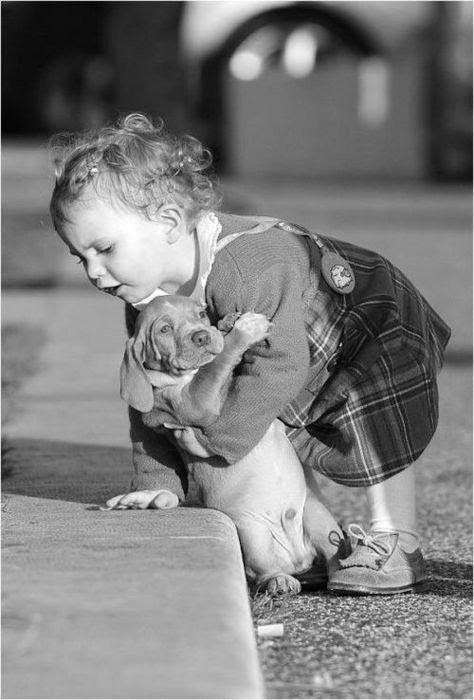
In the end, giving away a million dollars isn’t really about the money—it’s about trust. Trust that the gift will spark change, create hope, and carry forward the belief that even in a complicated world, goodness can multiply.
So, if I had a million dollars to give away, I’d want it to do exactly that: plant seeds of kindness and opportunity that would keep growing long after the money itself was gone.
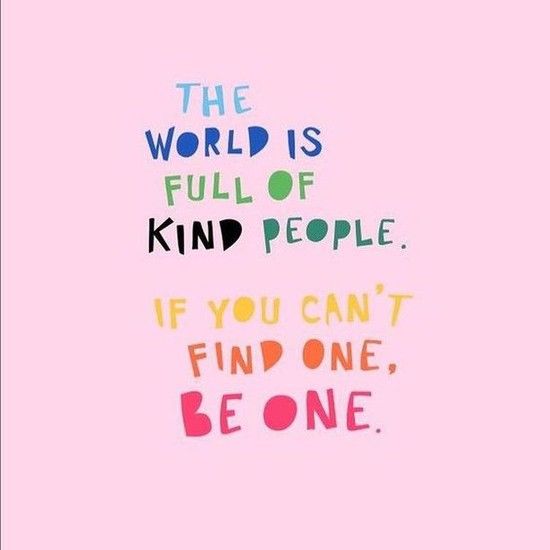
Until next time, may we all keep finding little ways to make the world softer and kinder. 🌸
What’s something you would attempt if you were guaranteed not to fail.
If I were guaranteed not to fail, I would attempt to live with complete authenticity — to express every thought, dream, and emotion without fear of judgment, loss, or rejection. Because failure, in its deepest form, isn’t about falling short of a goal — it’s about not being accepted for who we truly are.
To live without the shadow of failure would mean daring to be wholly human: to love without hesitation, to create without self-doubt, and to seek truth even when it dismantles comfort. I would attempt to understand life itself — to explore not just the world outside, but the vast universe within.
Perhaps, in a life without failure, what we truly gain is not success but freedom — freedom from the fear that keeps us from living fully.
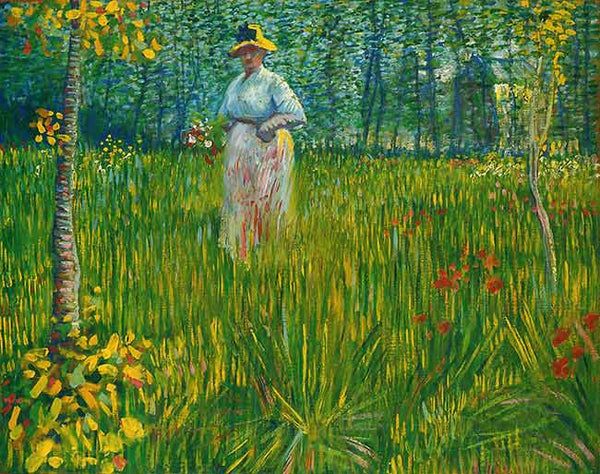
Who are your favorite artists?
Art, to me, is emotion captured in form — a language that speaks directly to the soul. I’ve always been moved by artists who create not just beauty, but feeling. Vincent van Gogh remains one of my all-time favorites; his brushstrokes seem to pulse with life and vulnerability.
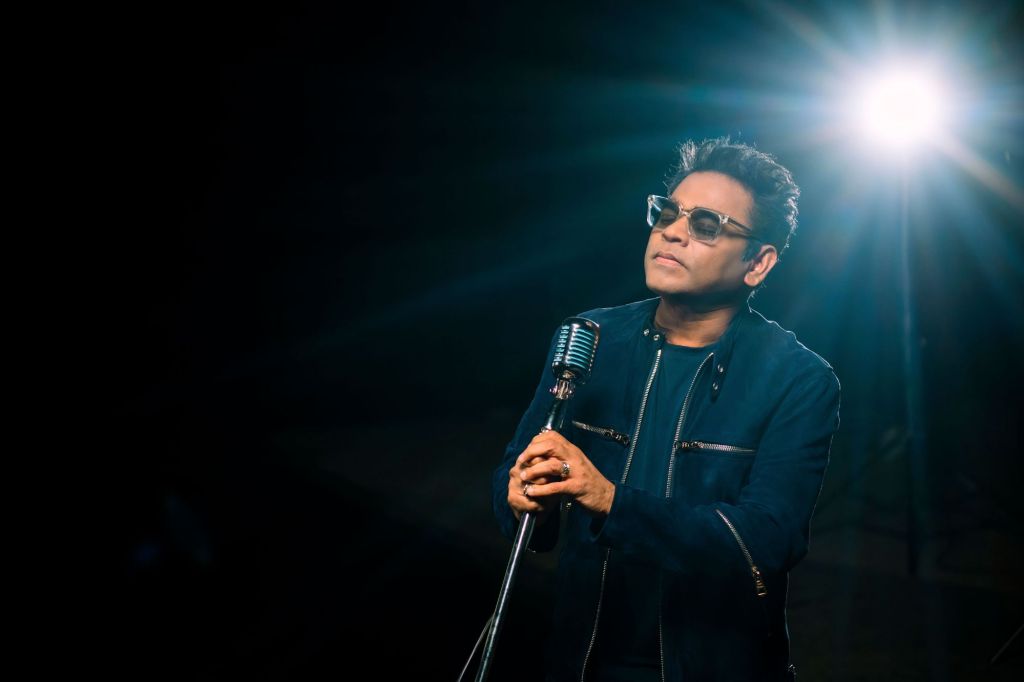
In music, A.R. Rahman holds a similar magic — his melodies are like paintings that sing.
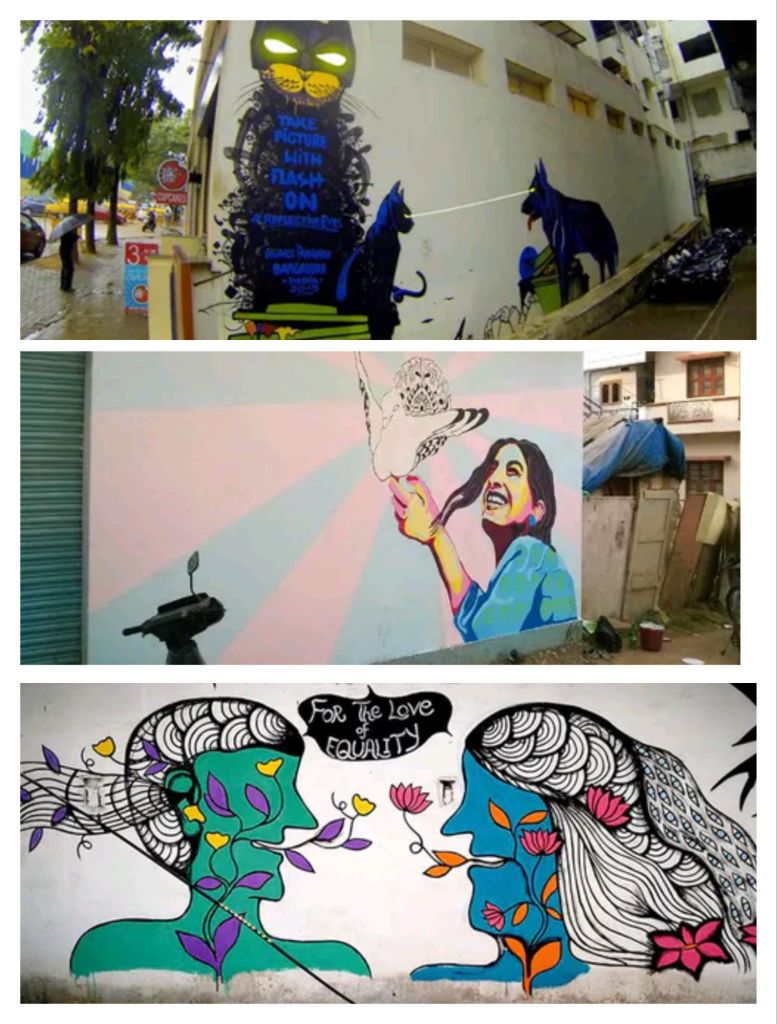
And then there are the street artists, the unseen storytellers who turn ordinary walls into bursts of color and truth. Their work reminds me that art doesn’t need grand spaces — it just needs a heart that dares to express.
There’s something magical about walking under the moonlight. The world feels quieter, softer, almost like it’s wrapped in a silver blanket of calm. Each step feels lighter, each breath deeper. The moon doesn’t just light the path — it soothes the soul.
In those quiet moments, when the night breeze brushes against my face and the stars keep silent watch, I feel a gentle reminder that peace doesn’t always need grand gestures. Sometimes, it’s just a slow walk under the moon, listening to the whispers of the night.
After all, even walking is a form of travel — a journey not measured in miles, but in moments that move the heart.
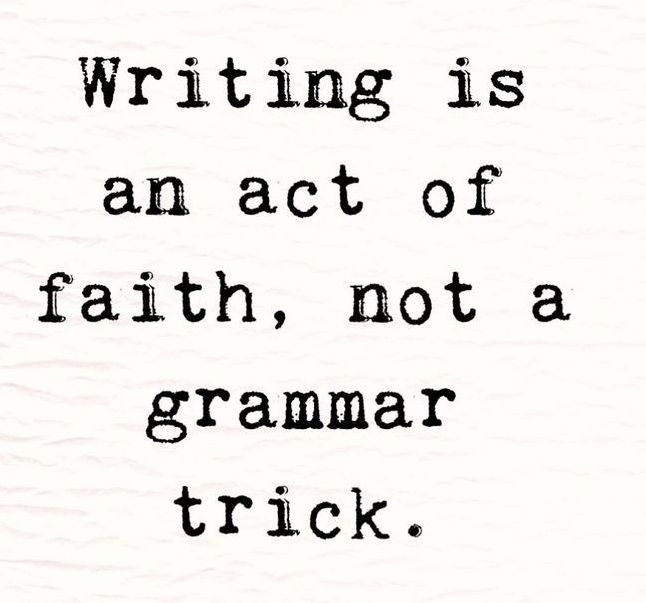
What is your favorite hobby or pastime?
My favorite hobby is writing — it’s where my thoughts find freedom and my emotions find meaning. Whether it’s journaling, blogging, or just jotting random reflections, writing helps me slow down, reflect, and reconnect with myself.
It’s my way of unwinding, creating, and making sense of the world around me.
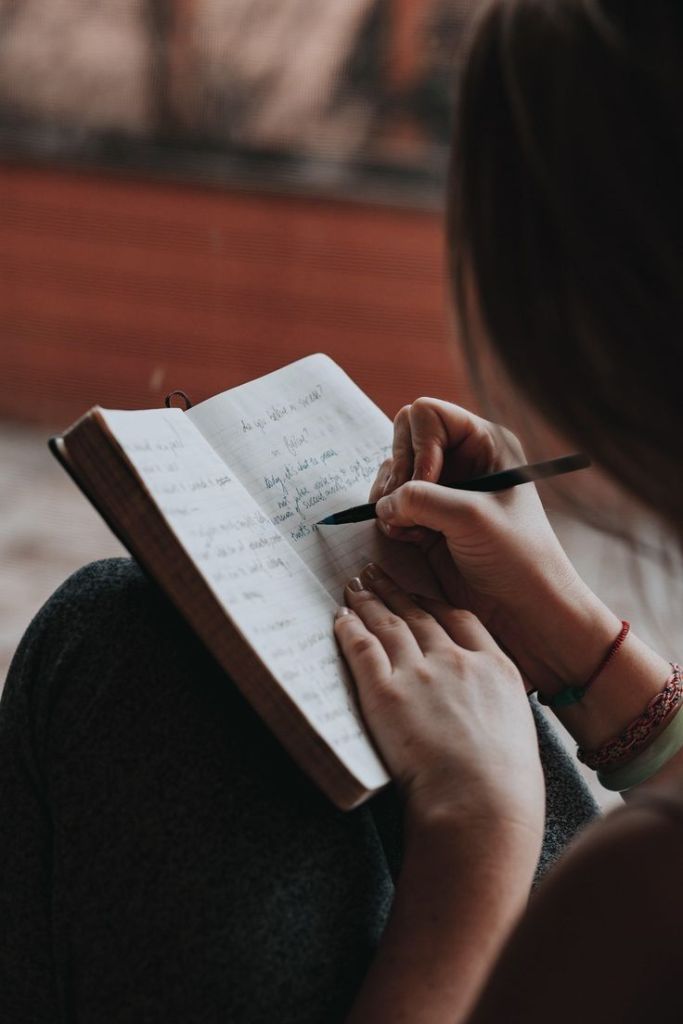
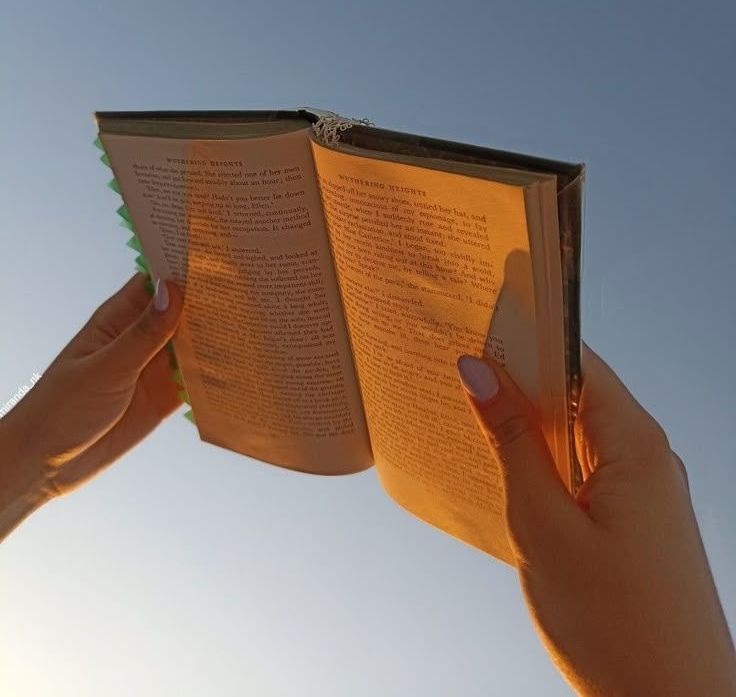
I do miss the old days of writing with a pen in a book — there’s something deeply comforting about seeing your words flow onto paper, one line at a time.
What would you do if you lost all your possessions?
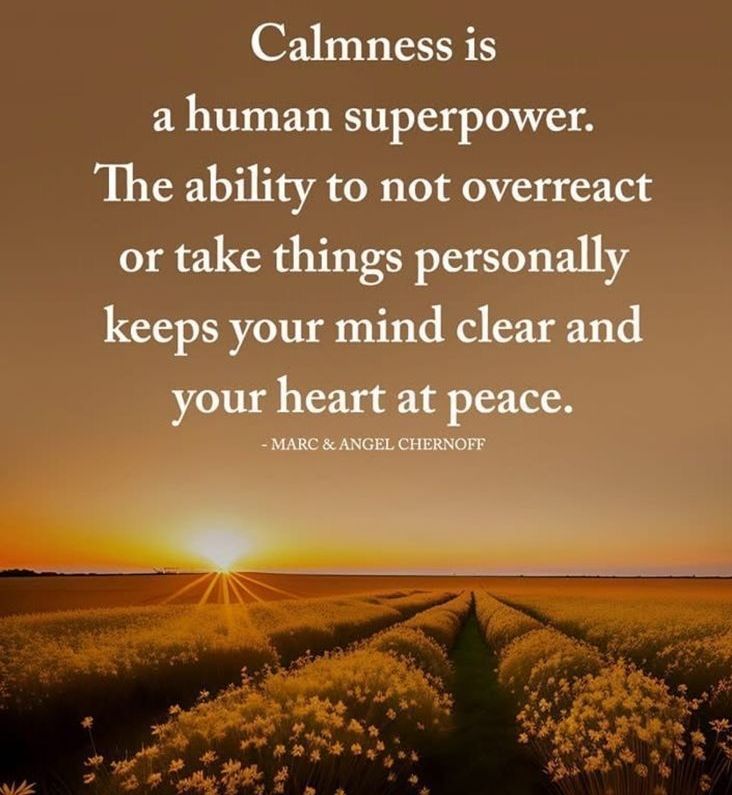
If I lost all my possessions, I’d be shocked at first—but after the initial chaos, I’d remind myself that what truly matters can’t be taken away: my mind, my faith, my resilience, and the people who care about me. Losing everything would force me to start over with clarity, free from clutter and old attachments. It would be painful, yes—but also a chance to rebuild a simpler, more meaningful life, one where gratitude replaces greed and peace replaces possession.
Tell us about a time when you felt out of place.
I remember attending a networking event where everyone seemed so confident, exchanging cards and conversations with ease.
I stood there with a polite smile, feeling like I didn’t quite belong. My thoughts were louder than my voice, and I kept wondering if I had anything valuable to add.
It was uncomfortable, but that experience taught me that many people feel the same way inside, even if they don’t show it.
With time, I’ve learned to embrace those moments and gently push myself to step in instead of stepping back
Your life without a computer: what does it look like?
Without a computer, life would feel much slower and more rooted in the physical world. Communication would shift back to handwritten letters, landline calls, and face-to-face conversations. Work would mean more paperwork, ledgers, and physical files instead of digital spreadsheets. Entertainment would lean on books, radio, television, and outdoor activities instead of streaming and social media. Learning would depend on libraries, teachers, and hands-on experiences rather than instant online searches
It might feel refreshing in some ways, but I’d surely miss the convenience and connection that a computer brings to everyday life
What skill would you like to learn?
I’d like to learn public speaking as a skill — being able to confidently express ideas to large groups of people is powerful for inspiring change, teaching, and connecting with others.
 Travellers Stream