Hi, I am – a wanderer at heart, a storyteller by passion, and someone who believes that journeys are often more beautiful than destinations.
Travel, for me, isn’t just about ticking places off a list. It’s about slow mornings in unknown cities, conversations with strangers who feel like friends, the taste of food I can’t quite describe but will never forget, and those moments when I discover a little more about myself along the way.
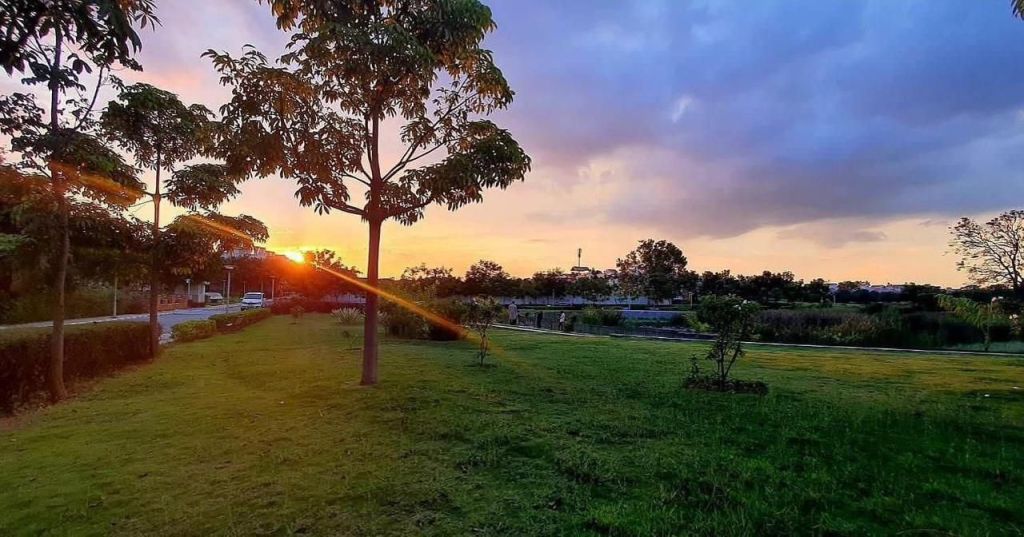
This blog is my space to share not only where I go, but how it feels to truly be there—whether it’s laughing in a bustling market, crying quietly on a solo getaway, or simply soaking in sunsets that make the world pause.
If you love stories that are light-hearted, honest, and sometimes a little raw, I hope you’ll feel at home here. Because in the end, travel isn’t just about moving from one place to another—it’s about moving closer to yourself.
So, come along. Let’s wander, wonder, and maybe get a little lost together.
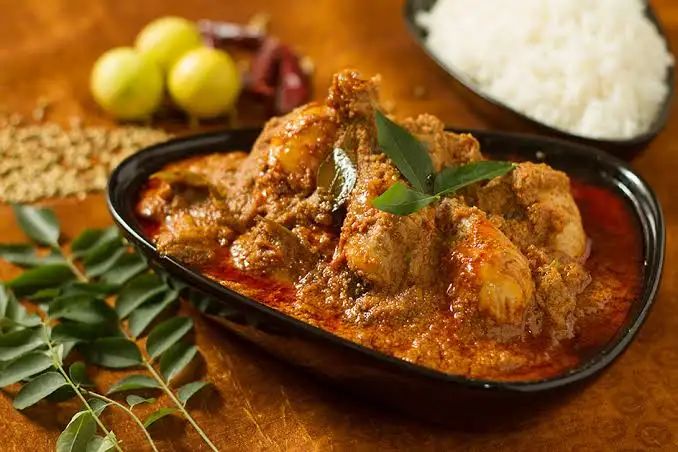
When we think of South India, the mind often drifts to palm-fringed beaches, temple towns, and serene backwaters. But there’s another treasure waiting to be discovered — its food. South Indian cuisine is not just about taste; it is about history, culture, and a way of life.
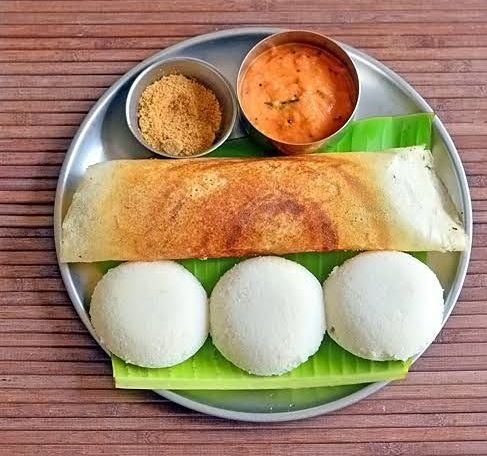
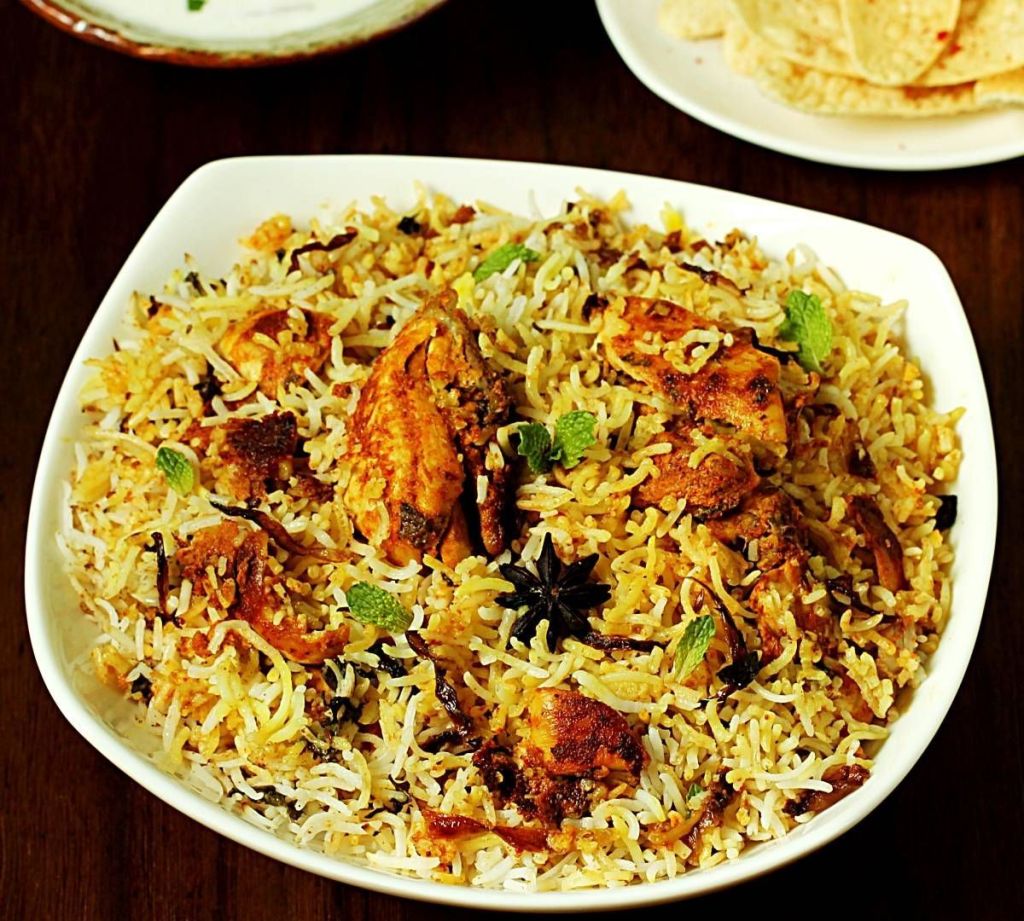
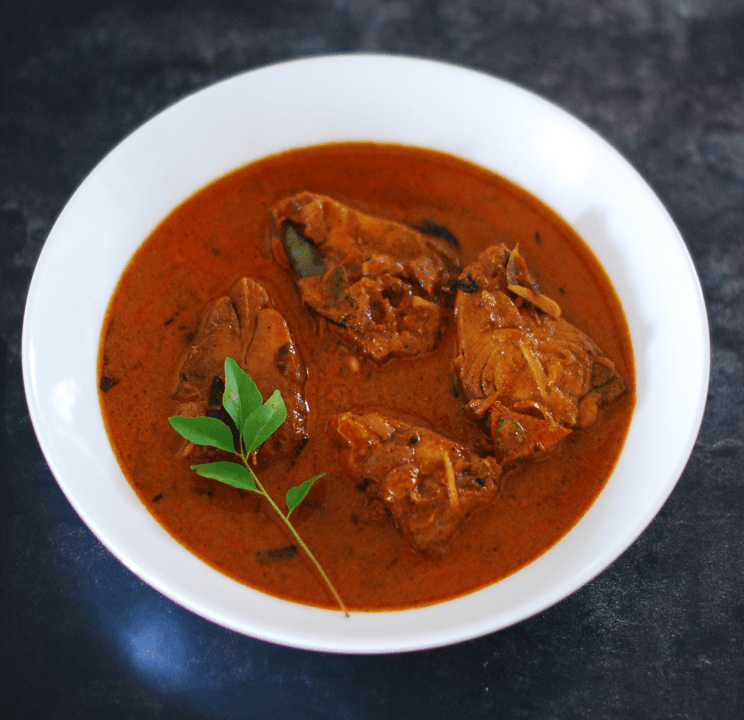
From the fiery Chettinad curries of Tamil Nadu to the fluffy idlis and crisp dosas of Karnataka, every state tells its story through food. Kerala greets you with seafood cooked in coconut milk, while Andhra Pradesh wakes up your taste buds with its legendary spicy biryanis. Even something as simple as filter coffee becomes an unforgettable cultural experience.
Food tourism here isn’t just eating — it’s immersing. Imagine sitting on a banana leaf, tasting traditional Sadya during Onam in Kerala, or wandering through bustling food streets in Hyderabad and Bengaluru, where modern cafes meet age-old recipes.
For the traveler, South Indian cuisine is a passport to understanding traditions, hospitality, and the deep connection between food and community. To taste South India is to experience its soul.
Life’s little things” are those small, everyday moments that often go unnoticed but carry the deepest meaning — a smile from a stranger, the smell of rain on warm soil, a shared laugh with someone you love, the comfort of a hot cup of tea, or even the quiet peace of watching the sunset. 🌿
They don’t always make big changes, but they stitch together joy, warmth, and gratitude into our lives….
I celebrate holidays in a mix of ways depending on the mood and the season. Sometimes it’s all about being with family, cooking together, and enjoying those little traditions that make the day special. Other times, I love to travel during holidays—exploring new places makes the occasion even more memorable. But no matter where I am, holidays for me are about slowing down, feeling grateful, and creating memories that stay long after the day is over.
Somewhere calm, not too crowded. You can cry with the waves, nap under the sun, laugh into the breeze, and eat fresh seafood or comfort food.
Examples in India: Gokarna (Karnataka), Varkala (Kerala), or even quiet parts of Goa.
Mountain Hideaway 🏔️
Fresh air, cozy stays, long naps, endless chai. Perfect to reset your mind.
Places like Kasol, Dharamkot, or Mukteshwar.
Forest / Nature Retreat 🌳
Stay in a cottage or eco-lodge in the middle of greenery. Let birdsong be your alarm clock.
Examples: Wayanad (Kerala), Coorg (Karnataka), Jim Corbett homestays (Uttarakhand).
Wellness Stay 🌸
An Ayurvedic or yoga retreat where nobody judges you for eating, sleeping, or crying when you need.
Kerala, Rishikesh, or even luxury wellness resorts around India.
🧳 What To Do There (Your Way)
Cry when it comes — release is healing.
Sleep whenever you feel like it, no alarms.
Laugh at silly movies, your thoughts, or with strangers you meet.
Eat freely — street food, comfort food, or something new.
Journal or blog if you feel like putting emotions into words.
Disconnect from people’s moods, and reconnect with your own.
💡 Sometimes, the best “holiday” is giving yourself permission to feel and to heal — no itinerary needed.
This kind of trip can truly feel like hitting the reset button on your life. Imagine: no schedules, no pressure to “be okay,” just you, your thoughts, and the freedom to feel everything fully. 🛶🌿
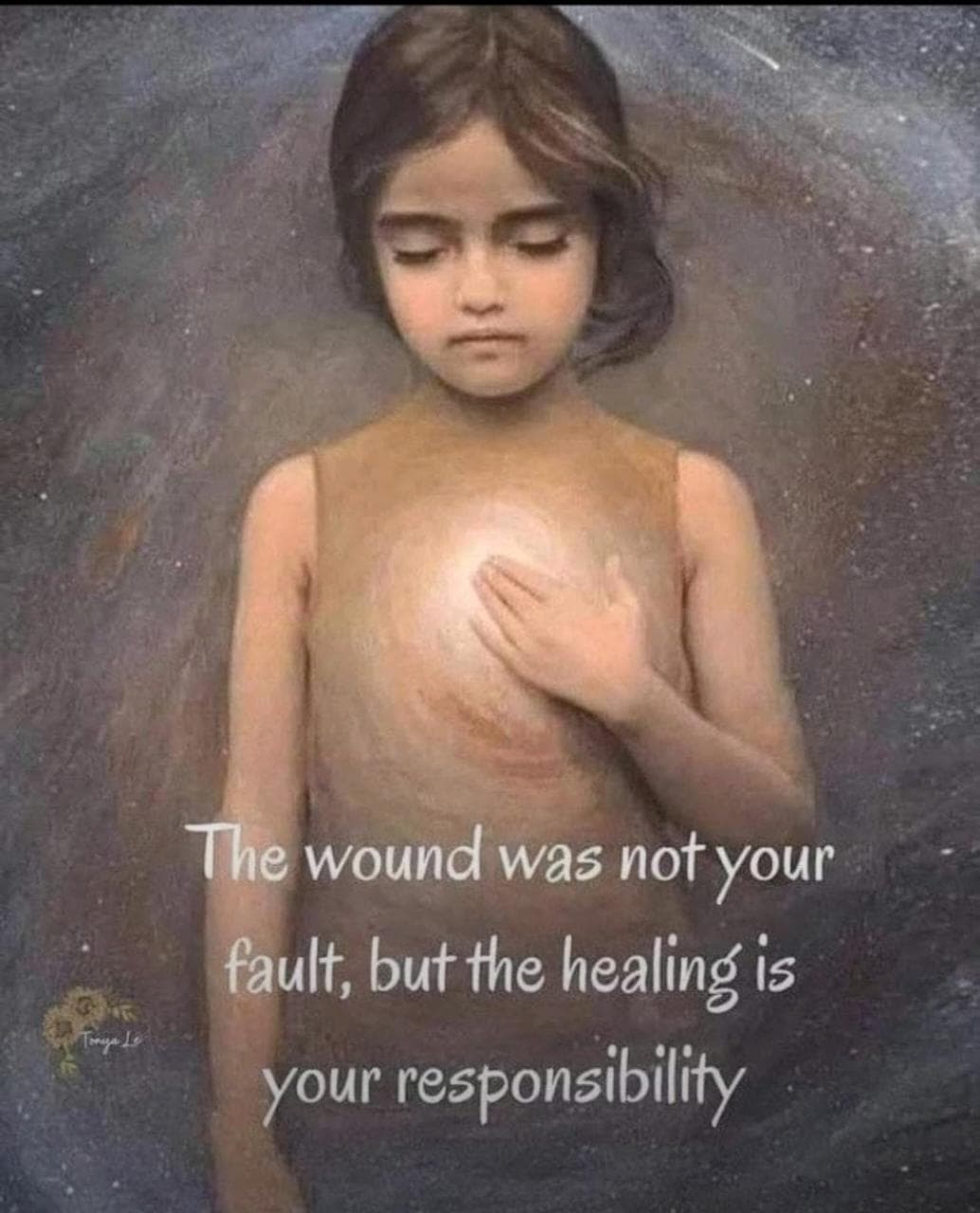
Last night words landed like a blow — I was shattered. It’s not the first time; I’ve been broken before, gathered the scattered pieces, and painstakingly put myself back together.
This time, too, I’m sitting with the ache. I’ll give myself permission to feel it — the sting, the quiet hurt — and then I’ll do the small, steady things that stitch me up: a slow cup of tea, the playlist that always steadies me, a walk where the air remembers nothing of the argument.
I’ll remind myself of what I built from past fractures: patience, sharper boundaries, the little rituals that anchor me. I won’t pretend the wound didn’t happen, but I also won’t let it define the whole story.
One piece at a time, I’ll reclaim the parts that belong to me — my laughter, my calm, my right to choose who holds my heart.
And when I’m ready, I’ll speak my truth softly and clearly, not to justify, but to protect the new shape I’m forming.
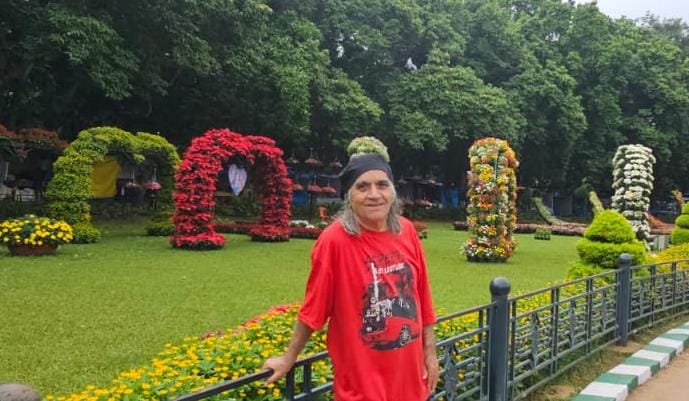
Not all journeys are taken on roads—some are taken through stories, songs, and cinema. On one such journey, I met Professor Ramesh Dutt.
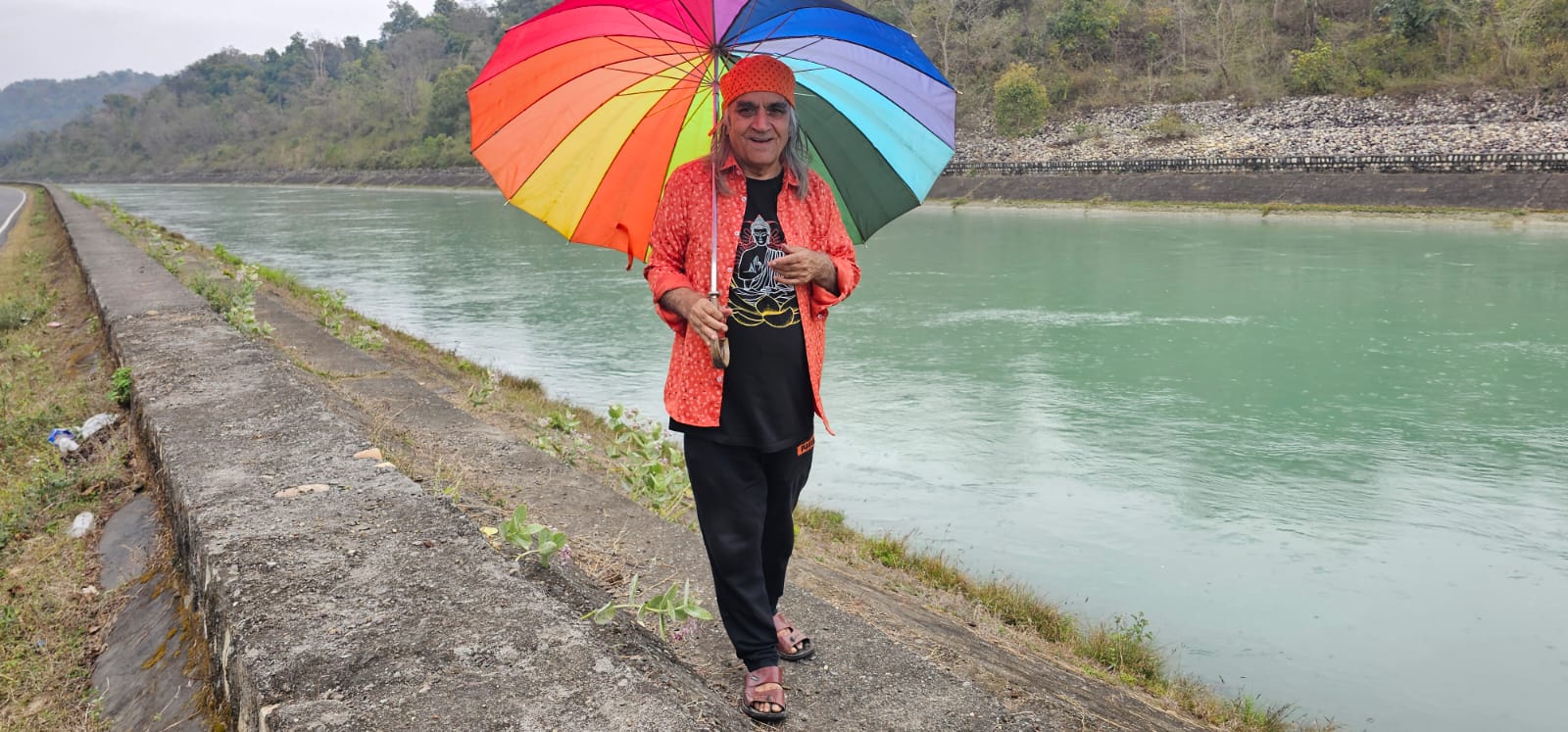
Travel introduces us to landscapes, cultures, and people who leave lasting imprints. Among the many wanderers I’ve met, Professor Ramesh Dutt stands apart. He doesn’t just travel through places—he journeys through cinema itself.
I call him a walking encyclopedia of Bollywood, and for good reason. Mention a forgotten black-and-white classic, a 70s blockbuster, or a 90s hit, and he’ll instantly narrate not only the cast and crew but also the anecdotes, trivia, and little stories hidden between the reels.
Conversations with him feel like embarking on a cinematic journey—where every dialogue, every song, and every actor becomes a milestone. He carries Bollywood’s history the way a traveler carries postcards—treasured, vivid, and ready to share.
For me, Professor Ramesh Dutt isn’t just a vagabond; he’s Bollywood’s wandering storyteller, taking you on a journey without ever leaving your seat.
We travelers often set our eyes on the big finale—the destination. The beach we dream of, the fort we saw on Instagram, the mountain top that promises the view of a lifetime.
But here’s the truth I’ve learned on the road: sometimes the best part of travel isn’t the destination at all. It’s everything that happens along the way.
🚂 When the Road Becomes the Story
Think about it. The train ride where strangers became friends over chai. The bus that broke down in the middle of nowhere, and suddenly everyone was laughing, sharing snacks, and turning inconvenience into community. The winding mountain road that made you stop every five minutes just to gasp at the view.
The “in-between moments” often become the real highlights.
🧳 Why the Journey Matters
Unexpected Adventures: Detours and delays often lead to surprises you’d never planned.
Personal Growth: Long journeys teach patience, resilience, and the art of slowing down.
Stories to Tell: A destination gives you photos. A journey gives you stories.
Connections: The people you meet on the way often shape your trip more than the place itself.
🌟 My Takeaway
Destinations are like season finales—they’re amazing. But the episodes in between? That’s where the real magic happens. Every bus ride, every wrong turn, every roadside chai stop is part of the series that makes travel binge-worthy.
🎬 So next time you travel, don’t rush to “arrive.” Let the journey be the show.
Traveling isn’t just about landscapes or monuments—it’s about the rhythm of life in a place. And nothing captures that better than a festival. Festival tourism is about chasing the world’s greatest shows: music echoing through ancient streets, colors exploding in the sky, traditions unfolding in real time.
Instead of just visiting a destination, you live its heartbeat through its festivals.
When it comes to festivals, no country does it quite like India. With its diversity of cultures, religions, and traditions, India celebrates something almost every month of the year. For travelers, this means endless opportunities to dive into colors, rituals, music, food, and community.
Festival tourism in India isn’t just about watching—it’s about participating. It’s about throwing colors during Holi, lighting lamps during Diwali, dancing in Ganesh processions, or soaking in the rhythm of folk music under desert skies.
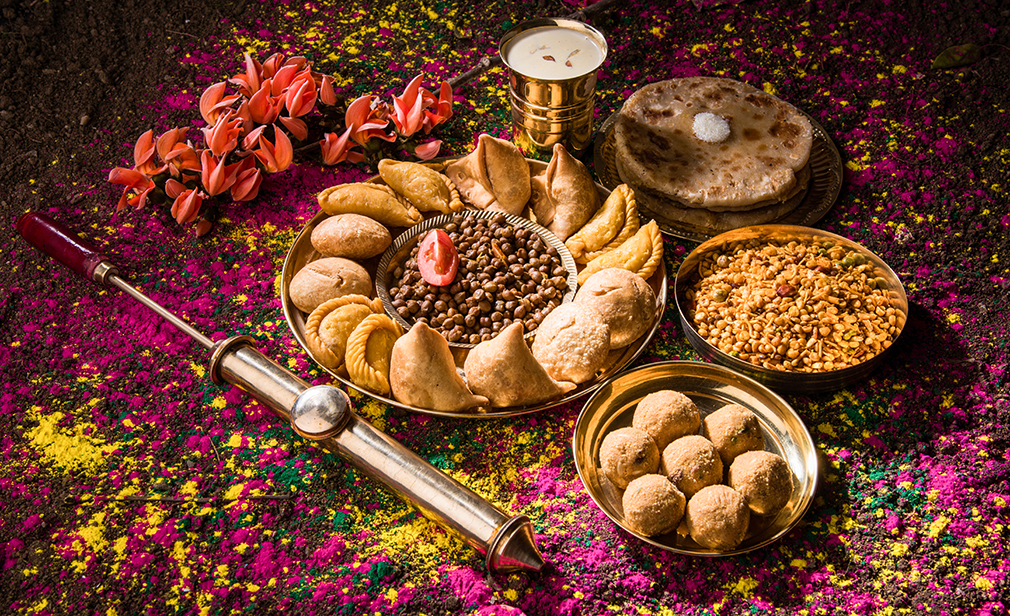
Holi – The Festival of Colors
Where: Mathura, Vrindavan, Barsana, and across India
When: March (spring season)
Why Go: The streets turn into a canvas of color. It’s playful, chaotic, and unforgettable. Perfect for those who want to live joy in its purest form.
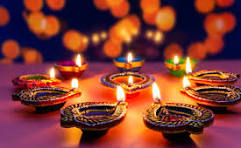
Diwali – The Festival of Lights
Where: Celebrated nationwide, but Varanasi and Jaipur are especially magical
When: October/November
Why Go: Cities glow with millions of diyas (lamps), fireworks light up the skies, and homes open with festive sweets. It feels like stepping into a fairytale.
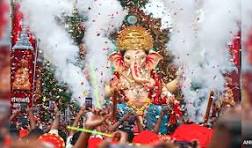
Ganesh Chaturthi – The Grand Arrival of Ganesha
Where: Mumbai, Pune, and coastal Maharashtra
When: August/September
Why Go: Huge idols of Lord Ganesha are installed across the city, streets come alive with chants, drums, and processions. The final visarjan (immersion) is breathtaking.
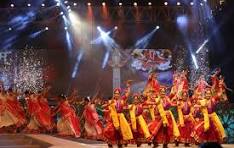
Navratri & Durga Puja – Dance, Devotion, and Drama
Where:
Navratri Garba in Gujarat
Durga Puja in Kolkata, West Bengal
When: September/October
Why Go: Nine nights of dance and devotion in Gujarat, and massive artistic pandals (temporary temples) in Kolkata. Both are pure cultural immersion.
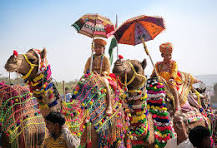
Pushkar Camel Fair – A Desert Spectacle
Where: Pushkar, Rajasthan
When: November
Why Go: What starts as a camel and livestock fair has grown into a carnival of folk music, dance, competitions, and spirituality. A photographer’s dream.
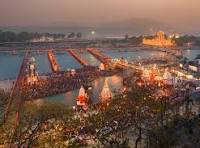
Kumbh Mela – The World’s Largest Gathering of Humanity
Where: Prayagraj, Haridwar, Ujjain, Nashik (rotates every 12 years between these cities)
When: Once every 3 years (rotating), Maha Kumbh every 12 years
Why Go: Millions of pilgrims gather to take a holy dip in sacred rivers. It’s spiritual, overwhelming, and a once-in-a-lifetime experience.
Tips for Experiencing Indian Festivals
Plan Ahead – Hotels and trains get booked months in advance.
Respect Local Traditions – Each festival has cultural and religious significance.
Dress Comfortably – Whether it’s playing Holi or dancing Garba, you’ll need the right attire.
Travel Safe – Crowds can be intense—keep essentials safe and stay hydrated.
Immerse Yourself – Don’t just watch; participate! That’s where the magic lies.
Closing
India doesn’t just celebrate festivals—it lives them. For travelers, every festival is like an episode in a never-ending cultural series. Whether you’re chasing colors in Mathura, lights in Varanasi, or music in Pushkar, festival tourism in India guarantees experiences you’ll never forget.
So, when you plan your next trip, don’t just check the weather forecast—check the festival calendar. The real show is waiting. 🎬
 Travellers Stream